
Treating issues involving the heart and cardiovascular system

Our cardiology team provides diagnostic and therapeutic services for pets that are affected by a wide-range of heart diseases, including several minimally invasive procedures that are unavailable anywhere else in the state of Georgia.

Our areas of speciality:

  • Heartworm extraction
  • Pacemaker implantation
  • Treatment of atrial fibrillation (AFib)
  • Repair of arteriovenous fistulas (an abnormal connection or passageway between an artery and a vein)

Our cardiology service regularly utilizes the following diagnostic tools to aid in the management of heart and vascular disease in companion animals:

  • Echocardiography, including two-dimensional, M-mode, and Doppler technologies
  • Electrocardiography (ECG)
  • Ambulatory ECG monitoring, including Holter, event, and implantable loop recorder monitoring
  • Angiography and angiocardiography
  • Catheter-based hemodynamic studies

The Cardiology service offers several interventional (catheter-based) procedures for the treatment of both congenital and acquired heart disease. These procedures are performed under general anesthesia utilizing fluoroscopic guidance (real-time X-ray imaging). In most instances, they offer the benefit of less pain, and shorter hospitalization and recovery times as compared to more invasive surgical techniques.

Meet Our Team

Interventional Procedures

Pacemaker implantation

As in humans, artificial pacemaker therapy is recommended in dogs and cats experiencing symptoms caused by very slow heart rates that are not responsive to medical therapy. Pacemaker devices, which provide a signal that instructs the heart to beat more rapidly, can be implanted via an incision in the neck in all but the smallest of dogs. In very small dogs and cats, placement of these devices may require a more invasive surgical procedure.

If you are interested in donating a pacemaker, please click here for more information.

Canine Duct Occluder device implantation for patent ductus arteriosus

Patent ductus arteriosus (PDA) is the most commonly diagnosed congenital heart disease of dogs. A small implantable device, the Amplatz® Canine Duct Occluder (ACDO), has been developed specifically for use in dogs with PDA. Via a small incision in the inner thigh, this device can be placed across the defect using catheter-based techniques. As with pacemakers, small dogs and cats may require a more invasive surgery.

Balloon valvuloplasty for pulmonic stenosis

Pulmonic stenosis (PS) is a congenital disease characterized by narrowing of a portion of the heart and when severe, places the affected animal at increased risk for the development of heart failure early in life. A balloon-tipped catheter can be introduced into the heart via an incision in the neck and used to reduce the severity of the defect.

Heartworm extraction

In the most severe cases of heartworm disease, surgical removal of the heartworms may be necessary, often on an emergency basis. This procedure can be performed via an incision in the neck.

Complex congenital cardiac and vascular intervention

Additional minimally invasive interventional procedures are available at UGA for animals that have one or multiple complex congenital heart defects, as well as those animals that require catheter-based techniques for diseases affecting the blood vessels (arteries and veins).


Pacemaker Donation Information

Thank you for your thoughtful consideration of donating a pacemaker generator to the University of Georgia Veterinary Teaching Hospital. Your support is especially meaningful to the animals and families we serve.

At this time, we are only able to accept pacemaker generators that meet the below criteria:

Accepted Manufacturers

We are only able to accept generators from the following companies: Boston Scientific, Medtronic, and Abbott (St. Jude’s). Unfortunately, we do not have access to other programmers, and therefore cannot accept other brands.

Required Features

Pacemakers must have capability to be programmed as VVI/VVIR. This typically includes generators that are single or dual-chamber. We are unable to accept implantable cardioverter defibrillator (ICD) generators.

Battery Life

If the pacemaker has been recently interrogated, there would ideally be greater than 3 years of battery life remaining.

Sterilization

The generators should ideally be removed of blood/tissue. They do not need to be sterilized prior to arrival at UGA.

Donation Process

If the pacemaker you would like to donate meets the above criteria, please click on the below link to be taken to our step-by-step donation instructions.

Pacemaker Donation Instructions

Latest Clinical Trials

Cats with congestive heart failure

Title: Evaluation of efficacy and safety of an investigational oral drug vs. placebo on progression-free survival time in cats with primary cardiomyopathy and congestive heart failure Investigator: Amanda Coleman, DVM, DACVIM (Cardiology) If interested, please have your primary veterinarian request additional information from our Clinical Trials office at 706-296-7818. Veterinarians […]

More Clinical Trials

Latest News

A Ten-Karat Heart of Gold

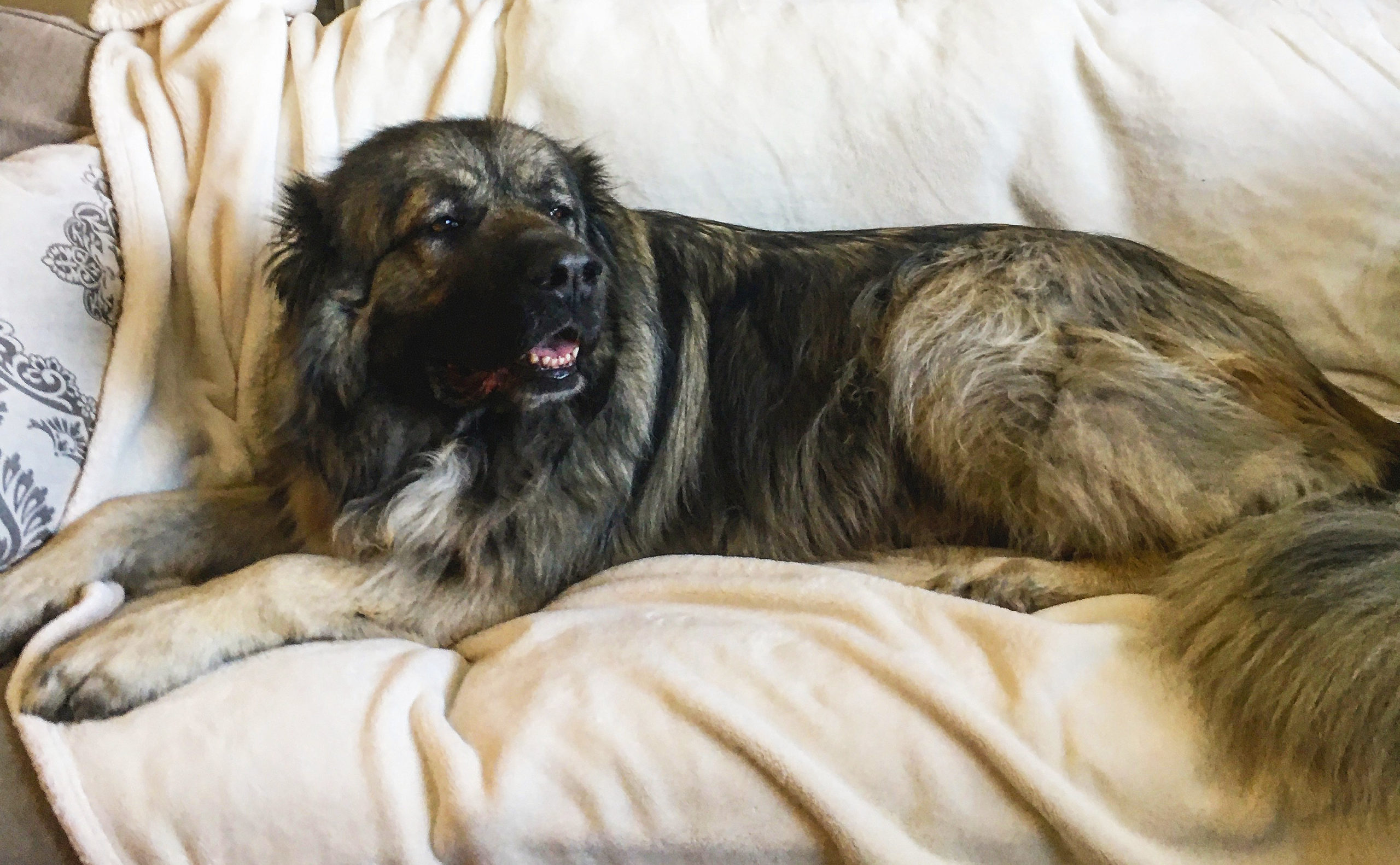
Like most, Karen Burns had never heard of the Caucasian shepherd before her son adopted one. These little-known dogs are nothing short of enormous—bred to protect livestock in Eastern Europe’s Caucasus Mountains, they are big, fluffy, and (arguably) imposing. But for her son, one was not enough. On Valentine’s Day […]

More News

going beyond the expected