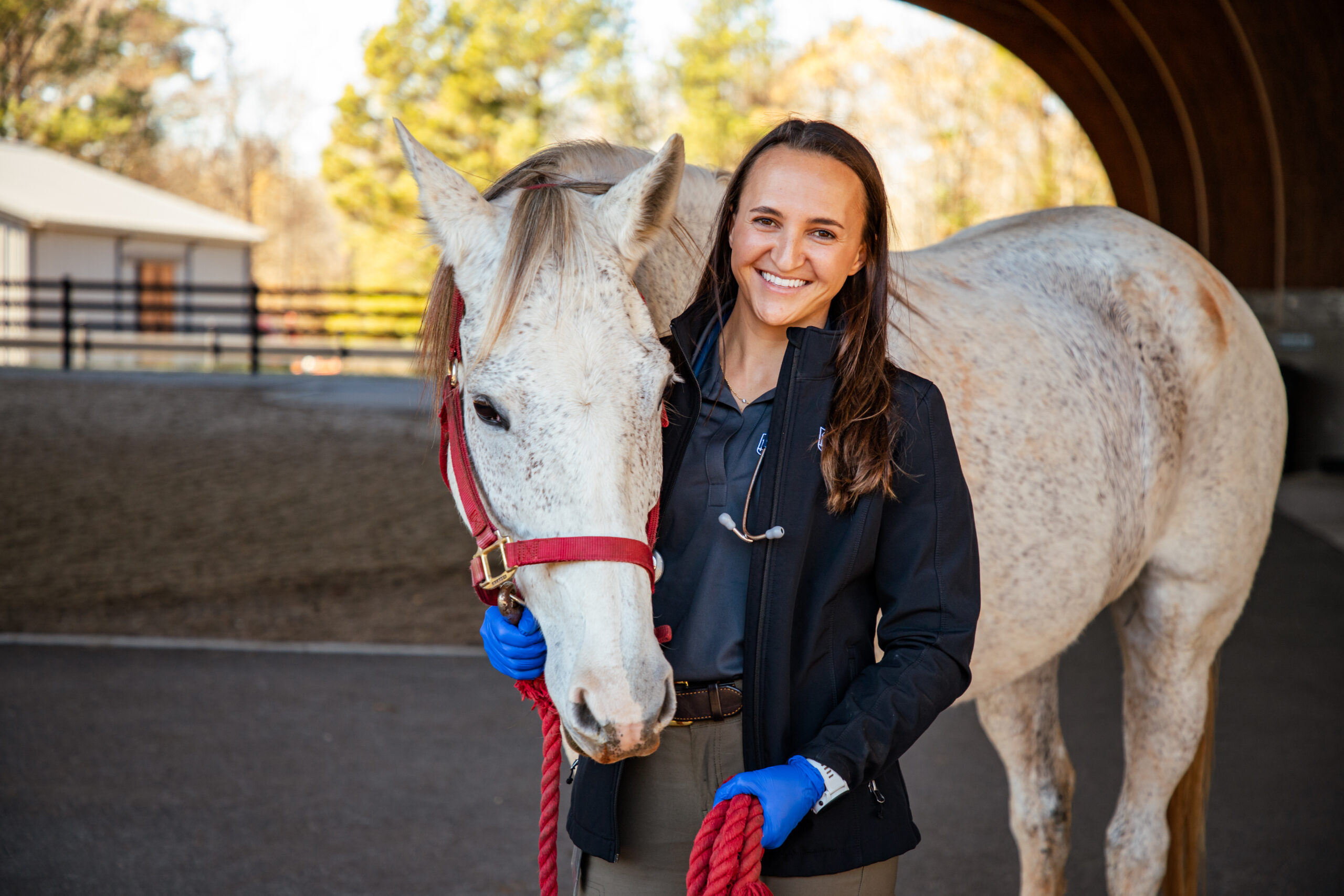


Our equine internal medicine team is staffed by board-certified veterinarians who are highly trained in anatomy, physiology and internal medicine. This uniquely qualifies them to diagnose and manage a variety of diseases and conditions including:
- Colic and other gastrointestinal tract problems such as gastric ulcers and acute and chronic diarrhea
- Heart or circulatory problems such as arrhythmias or murmurs
- Neurologic disorders
- Skin diseases
- Ill or prematurely born foals
- Diseases of the urinary tract
- Liver disease
- Coughing and other respiratory problems
- Endocrine disorders such as equine Cushing’s disease and equine metabolic syndrome
- Cancer
- Multisystem or ill-defined problems (i.e. weight loss or poor performance)
- Infectious diseases
- Geriatric care
Advanced diagnostic and treatment options include:
- Advanced laboratory testing for organ function, endocrine disease and infectious diseases
- Advanced imaging (x-rays, ultrasonography, CT and MRI)
- Echocardiography (ultrasonography of the heart)
- Electrocardiography (ECG) – recording of the heart rhythm at rest and during exercise
- Electromyography (EMG) – recording of muscle / nerve activity
- Complete neurologic examinations and spinal tap for neurologic disease
- Endoscopy – gastroscopy (stomach), bronchoscopy (lungs), cystoscopy (bladder) and upper airway endoscopy
- Biopsies of organs, tumors or bone marrow
- Pulmonary function testing, nebulization and oxygen therapy for respiratory disease
- Sling support for neurologic animals
- Isolation facility for infectious diseases
- IV fluid therapy and blood and plasma transfusions
- Neonatal ICU care for critically ill foals
This service is also one of only a handful across the nation to offer transvenous electrical cardioversion, an alternative treatment option for equine patients suffering from atrial fibrillation.