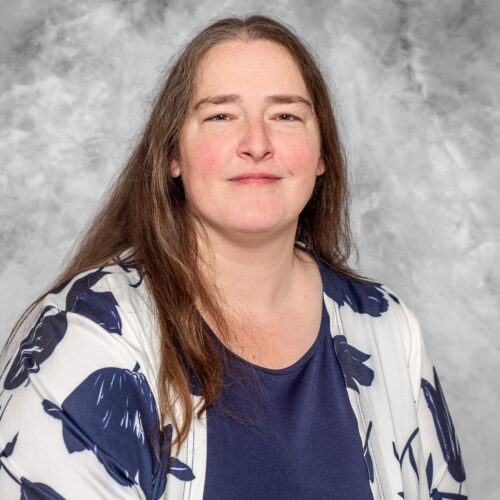

Shelter Medicine, Small Animal Medicine & Surgery
Clinical Assistant Professor
Dr. Simpson brings 7 years of clinical experience in high-quality, high-volume spay/neuter (HQHVSN) surgery and shelter animal care, driven by a passion for helping pets that might otherwise go without veterinary care. In her current role, she shares responsibility for teaching shelter medicine and HQHVSN to Doctor of Veterinary Medicine students at UGA.
Prior to joining the faculty, she served as Lead Veterinarian at the Athens Area Humane Society (2022–2025), where she developed anesthesia protocols, organized community vaccine clinics, and grew the clinic’s surgical volume from approximately 6,000 to over 9,300 procedures annually. She also oversaw the training and development of licensed veterinary technicians, including students from Athens Technical College, as well as veterinary assistants.
She previously served as an Associate Veterinarian at Planned PEThood of Georgia (2019–2022), performing high-volume surgeries, overseeing medical care for rescue and foster animals, and providing surgical and medical support at local municipal shelters when needed. The trust placed in her by shelter partners has allowed her to expand her surgical scope to include enucleation, entropion repair, amputation, mass removal, and pectus excavatum correction. She also secretly loves dentistry. Outside of work, Dr. Simpson enjoys spending time with her family, friends, and dogs.
Education
- D.V.M., University of Georgia College of Veterinary Medicine, 2016
- B.S. in Chemistry; Minor in Mathematics, University of South Carolina Upstate, 2007
Professional Certifications
- Fear Free Shelters Graduate Certificate
Teaching
- Shelter Medicine Externship Rotation & Elective Coursework
- Junior Surgery Labs
Clinical Interests
- Appropriate use of Spectrum of Care to improve outcomes in shelter medicine
- Surgeries in shelter medicine including and beyond spays and neuters
- Teaching and development of clinical veterinary students
Research Interests
Clinically relevant research to continue to improve HQHVSN programs.