

Karin Allenspach, DVM, DECVIM-CA, PhD
The University of Georgia, as leader of the Canine Bladder Cancer Consortium (CBCC), facilitates a global, collaborative effort to advance translational bladder cancer research. The CBCC unites clinicians, scientists, and the community to accelerate scientific breakthroughs in cancer biology, prevention, and treatment.
The University, supported by a generous private donation and a COHA grant, is establishing a biobank to provide the consortium with high-quality biological specimens and associated data. This project includes the development of standardized protocols for collection, processing, storage, and shipping to ensure robust research reproducibility and accuracy. A partnership with the UGA SMART lab will facilitate access to bladder organoids, expanding the research tools available to consortium members.
The consortium’s current membership spans six U.S. universities and two international centers, with an ongoing recruitment effort to expand its expertise. Strategic collaborations with three specialized human medical centers will promote cross-disciplinary research, leveraging comparative oncology insights to benefit both canine and human patients afflicted with bladder cancer.
Renato Azevedo, Ph.D.
Award Announcement – Human Factors in Healthcare Best Article Award
The article “Developing Feedback Visualizations to Support Older Adults’ Medication Adherence” by Qiong Nie, Daniel G. Morrow, Renato F. L. Azevedo, and Wendy A. Rogers has been selected as the recipient of the Human Factors and Ergonomics Society (HFES)’s 2025 Human Factors in Healthcare Best Article Award. This award is presented in recognition of the best article published in the 2024 volume of Human Factors in Healthcare, as judged by the journal’s Editors-in-Chief and approved by the Executive Council of HFES. We celebrate Dr. Renato F. L. Azevedo, a co-author on this award-winning paper. Dr. Azevedo is an Assistant Professor at the Institute of Gerontology, College of Public Health at the University of Georgia and a Core Faculty member of the Social Sciences & Medicine Core, whose contributions focus on the intersection of health communication, aging, and technology. The paper highlights the implementation of a user-centered evaluation approach to design and refine adherence feedback visualizations for the MEDSReM© medication adherence app, aimed at supporting older adults with hypertension. The research identified the importance of providing daily, weekly, and monthly adherence performance information and explored visualization formats that best communicate this information. Results showed that older adult participants could successfully interpret the prototype visualizations, and comprehension challenges were addressed through iterative revisions informed by both users and subject matter experts. These insights guided the selection and refinement of effective prototypes for the MEDSReM app. This recognition underscores the team’s contribution to advancing human factors research in healthcare and the development of effective, user-friendly digital health tools and health data visualizations to promote better outcomes for older adults.
Publication Highlight – Journal of Medical Internet Research (JMIR)
Dr. Renato F. L. Azevedo, Assistant Professor at the Institute of Gerontology and Core Faculty in the Social Sciences & Medicine Core, is the lead co-author of the article “Evaluating Effectiveness of mHealth Apps for Older Adults With Diabetes: Meta-Analysis of Randomized Controlled Trials” published in the Journal of Medical Internet Research (JMIR) with Michael Varzino, Erika Steinman, and Wendy A. Rogers.
This publication is the first in a series of meta-analyses by this research team examining how mobile health (mHealth) apps support chronic condition management specifically among older adults. Focusing on diabetes, the team systematically reviewed and analyzed randomized controlled trials, identifying 490 participants across 7 studies that evaluated the impact of mHealth apps on outcomes such as glycated hemoglobin (HbA1c), fasting blood glucose, and medication adherence.
Results revealed a significant reduction in HbA1c (Hedges g –0.40), indicating that mHealth apps can effectively improve glycemic control among older adults with diabetes, comparable in effect size to meta-analyses with younger cohorts. Importantly, the study also identified app features linked to effectiveness, offering guidance for the design of future interventions tailored to older adults.
This research underscores the potential of mHealth apps to enhance self-management of diabetes and serves as a foundation for Dr. Azevedo’s broader research agenda exploring mHealth technologies for aging populations. The project, conducted in collaboration with colleagues at the University of Illinois, is also supporting training opportunities for UGA students in advanced research methods. Funding for this work was provided in part by the National Institutes of Health (National Institute on Aging) through the CREATE (Center for Research and Education on Aging and Technology Enhancement; P01AG073090).
Blake Billmyre, Ph.D.
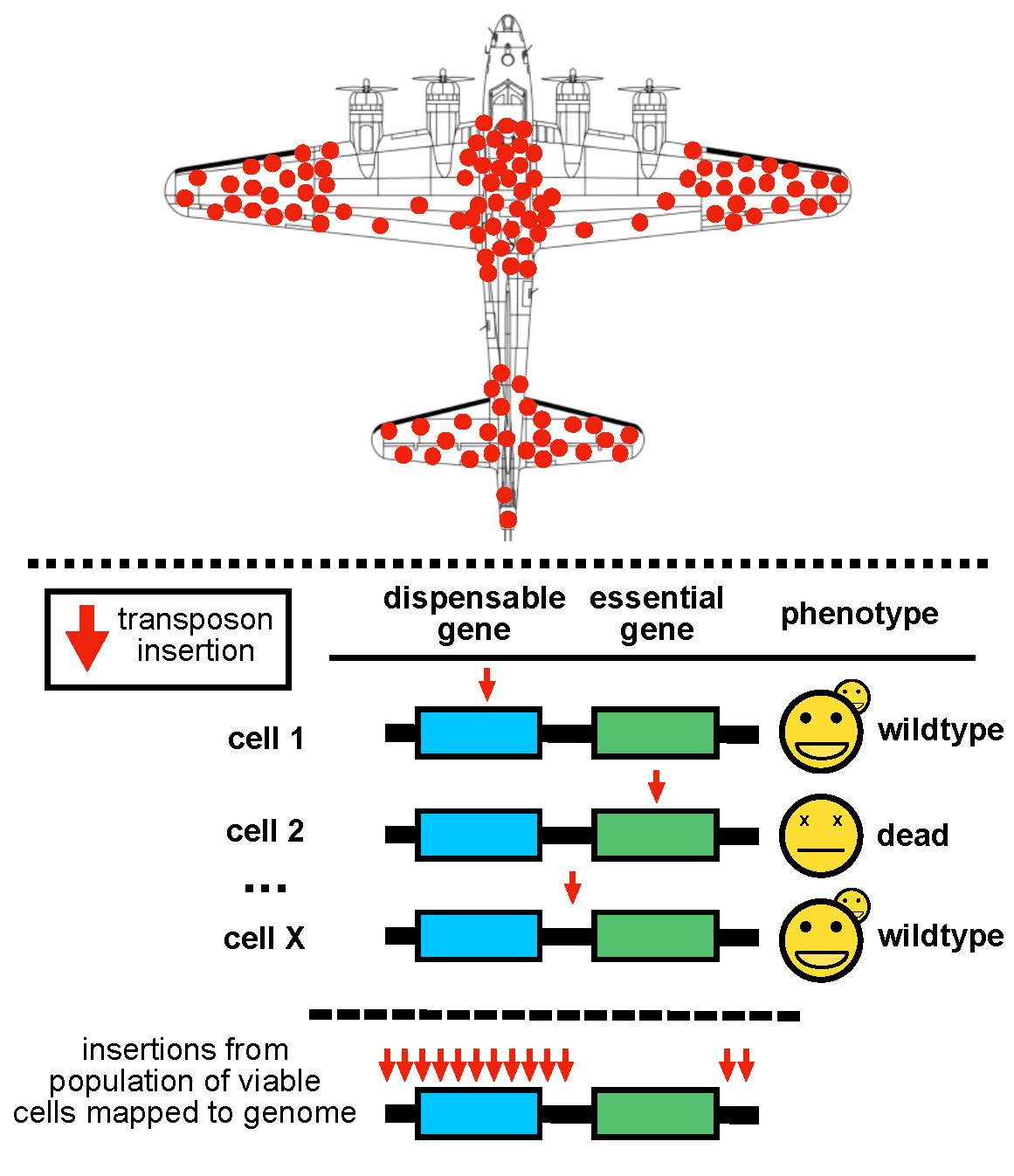
Cryptococcus neoformans is a human fungal pathogen that causes substantial mortality in immunocompromised patients, particularly those with HIV. Treating fungal pathogens like C. neoformans is challenging because there are relatively few good drug targets that are not conserved in human hosts. As a result, we have only 3 classes of drugs to treat cryptococcosis. Our work implemented a transposon mutagenesis and sequencing system called TN-seq to define the essential gene set in C. neoformans. Essential genes are those absolutely required for growth, thus inhibiting them should prevent fungal growth. We also used TN-seq to define the genetic contributions to drug susceptibility of one of our frontline drugs, fluconazole, and uncovered a systemic role for mitochondrial function in drug susceptibility.
Billmyre RB, Craig CJ, Lyon JW, Reichardt C, Kuhn AM, et al. (2025) Landscape of essential growth and fluconazole-resistance genes in the human fungal pathogen Cryptococcus neoformans. PLOS Biology 23(5): e3003184. https://doi.org/10.1371/journal.pbio.3003184
Leigh Anne Clarke, PhD
My postdoc, Tori Rudolph, gave a talk on our ear length work which was featured in Nature News.
https://www.nature.com/articles/d41586-026-00071-4
Niying Li, PhD
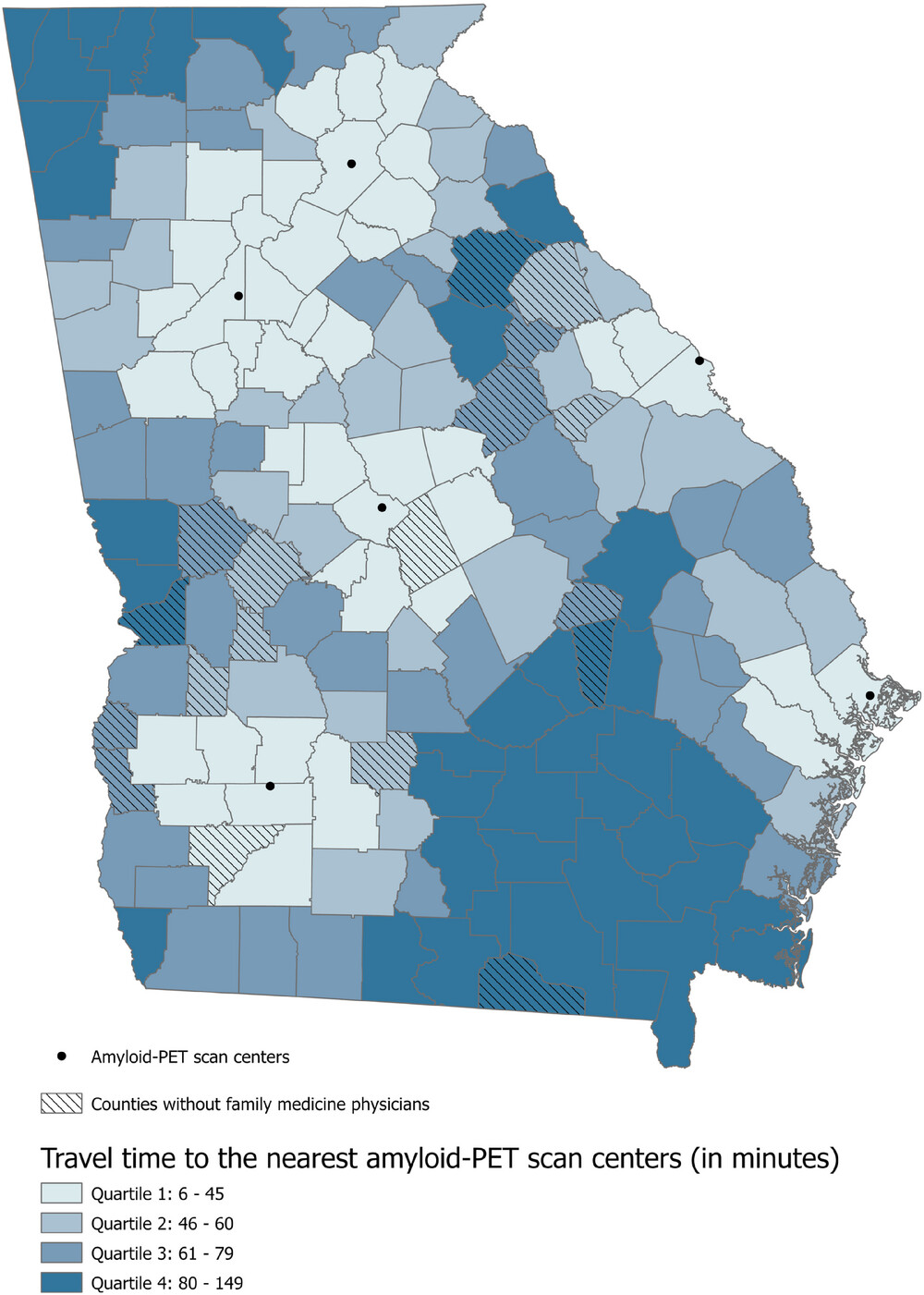
My research examined disparities in access to lecanemab, a newly approved disease-modifying therapy for early-stage Alzheimer’s disease, and the required amyloid PET scan facilities across Georgia’s 159 counties. Using drive time analysis, I found that no rural counties had PET scan centers and only one had an infusion site. Rural residents faced much longer travel, averaging 69 minutes to PET centers and 89 minutes to infusion sites, compared with 51 and 45 minutes in nonrural counties. These inequities highlight urgent policy needs to expand diagnostic and treatment access in underserved communities.
Jonathan Mochel, DVM, PhD, DECVPT, (POH Director)
Dr. Mochel was invited by the FDA (Dr. Marilyn Martinez) to represent Precision One Health at the upcoming AAPS Forum in San Antonio. The American Association of Pharmaceutical Scientists (AAPS) is the leading professional society in pharmaceutical science, convening industry, academia, and regulators to discuss advances that shape drug discovery, development, and translational impact. The Forum is a highly visible meeting that typically attracts several thousand attendees worldwide, providing a strong platform for Precision One Health.
Dr. Mochel’s lab has secured close to $1M from an industry partner to develop and validate advanced feline kidney organoid models to interrogate chronic kidney disease (CKD) pathophysiology, enable biomarker discovery, and support preclinical drug screening. The work integrates cutting-edge approaches, including spatial transcriptomics, single-nuclei RNA sequencing, and immune co-culture systems. This award is part of a broader partnership with the same sponsor that has already generated approximately $2M in revenue for Precision One Health.
- Dr. Mochel is the lead pharmacologist a co-investigator on two major NIH awards led by Dr. Yana Zavros (School of Medicine): an RC2 ($13.4M) and an R01 ($3.2M). Notably, the R01 represents the first NIH-sponsored clinical trial in dogs with UGA as the lead recipient institution.
- Dr. Mochel was recognized, for the second consecutive year, in the Stanford “World’s Top 2% Scientists” list.
- Dr. Mochel has been awarded the Diane L. Wynocker Endowed Professorship, supporting his research program in chronic kidney disease.
- The Brave New [Artificial] World for the Study of Chronic Kidney Disease
- Representing the CVM at the Health Connect South conference in Atlanta (video)
Optimizing First-Line Therapeutics in Non-Small Cell Lung Cancer (paper published – highlights below)
What is the current knowledge on the topic?
Non-small cell lung cancer (NSCLC) is a leading cause of mortality. Many treatments for NSCLC rely on combination therapy with bevacizumab, an anti-VEGF adjunct. Previous preclinical research has suggested that scheduling bevacizumab in sequence with combination antiproliferatives could significantly improve clinical outcomes.
What question did this study address?
To address this hypothesis, individual patient tumor data were collated from 11 clinical trials in NSCLC and used to develop a semi-mechanistic model of NSCLC growth and response to the various therapeutics, in combination with bevacizumab, represented in those trials.
What does this study add to our knowledge?
This study has produced precise estimates of several pharmacometric parameters fundamental to cancer modeling. Simulations from this model suggest that a delay of 9.6 h between pemetrexed-cisplatin and bevacizumab administration optimizes the benefit of sequential administration. At this gap, approximately 93.5% of simulated patients benefited from a gap in sequential administration compared with concomitant administration. Of those simulated patients, the mean improvement in tumor reduction was 20.7%.
How might this change drug discovery, development, and/or therapeutics?
This review of clinical data suggests that scheduling a modest gap between the administration of bevacizumab and its partner antiproliferatives could meaningfully improve patient outcomes in NSCLC. This work indicates that future trials in NSCLC with bevacizumab should test staggered sequential scheduling. Furthermore, a model fit on a large human clinical trial dataset is provided for future modeling and simulation work in NSCLC.

Tatum Mortimer, Ph.D.
Dr. Tatum Mortimer’s work on antimicrobial resistance in Neisseria gonorrhoeae, including a conference presentation and research publication, have been recently featured in the press. Dr. Mortimer was invited to present on gonorrhea diagnostics at ESCMID Global 2025, discussing antimicrobial susceptibility testing challenges, viability testing applications, and her work on genomic approaches for predicting susceptibility. She was featured in a follow-up interview in The Pathologist. Additionally, Dr. Mortimer contributed to a letter published in the New England Journal of Medicine examining how increased doxycycline use, including post-exposure prophylaxis, has impacted antimicrobial resistance in N. gonorrhoeae, which was covered by STAT News.
Doug Paton, Ph.D.
Disarming Malaria Before It Spreads: Instead of killing mosquitoes, the Paton lab targets the malaria parasite inside them. Using novel compounds called endochin-like quinolones (ELQs), we blocked Plasmodium falciparum development in the mosquito midgut—even in insecticide-resistant populations. Embedded in prototype bed nets, ELQs remained active for over a year, preventing transmission without harming mosquitoes. This innovative approach bypasses traditional insecticide resistance, pressures multiple parasite inhibitory pathways, and points toward next-generation, long-lasting, and sustainable malaria control strategies.

Daniel Peach, Ph.D.
Dan and his lab’s groundbreaking work on vector ecology is hitting the screen! Their research has been featured by CBC’s The Nature of Things, the world’s longest-running science television series. From the surprising role of mosquitoes in pollination to the critical One Health connections in vector ecology and combatting infectious disease, Dan’s cutting-edge discoveries will be showcased in an upcoming special series titled “The Mosquitoes Are Winning.” Stay tuned for insights into the secret life of mosquitoes and an eye-opening look at how these deadly insects are shaping our world.
Mekala Sundaram, Ph.D.
Highlights of my research last year: 1. Paper describing how to find elusive Ebola reservoir. Looking for the reservoir is daunting. My work narrows the search down to specific populations, species, their locations and tissues to sample (attached figure from the paper illustrates hypothesized natural life cycle of ebola). 2. I contributed to Wild Kratts Tv show (popular cartoon for children) on butternut (Juglans cinerea nuts). This will air on season 7 episode 20. In my past research, I designed metal squirrel jaws and used this to calculate the force needed to open a butternut (a whopping 211.83 kgs).

Tao Tao Wu, Ph.D.
Dr. Taotao Wu was recently awarded a Georgia Clinical and Translational Science Alliance (CTSA) Pilot Grant for the project Characterizing Functional Brain Connectivity Using Portable fNIRS and AI: Simultaneous Characterization of Functional Networks and Behavior. This study uses a state-of-the-art whole-head neuroimaging system—time-domain diffuse optical tomography functional near-infrared spectroscopy (TD-DOT fNIRS)—to directly link brain activity with behavioral performance. The project will generate foundational data on how portable neuroimaging can capture brain–behavior relationships in naturalistic settings, paving the way for future applications in brain health, such as improved concussion diagnosis. Learn more or sign up to participate.
Lorenzo Villa Zapata, Ph.D.
My research effort contributes to the mission of Precision One Health by integrating pharmacoepidemiology, health economics, and cancer outcomes to improve care and reduce disparities. Since joining UGA in 2023, my lab has published in Cancer, Cancer Medicine, AJIC, and J Clin Hypertension, with additional work accepted in JMCP and Transplantation & Cellular Therapy. We secured a College of Pharmacy seed grant to study rural telehealth in oncology and presented four highlighted posters at ISPE 2025. These efforts—together with mentoring PhD students and a postdoc—aim to generate real-world evidence that advances value-based cancer care.


