


UGA veterinarian highlights common household products that are toxic to pets and how advanced treatments, like hemoperfusion, are saving lives.
Curious pets love exploring, and sometimes tasting, everything around them. But many common household items can pose serious dangers to dogs and cats if ingested. During National Poison Prevention Week (March 15–21), it’s a great time for pet owners to learn about the hidden household toxins that can cause accidental poisoning and what to do if an emergency happens.
Common Toxins For Dogs and Cats
Chocolate
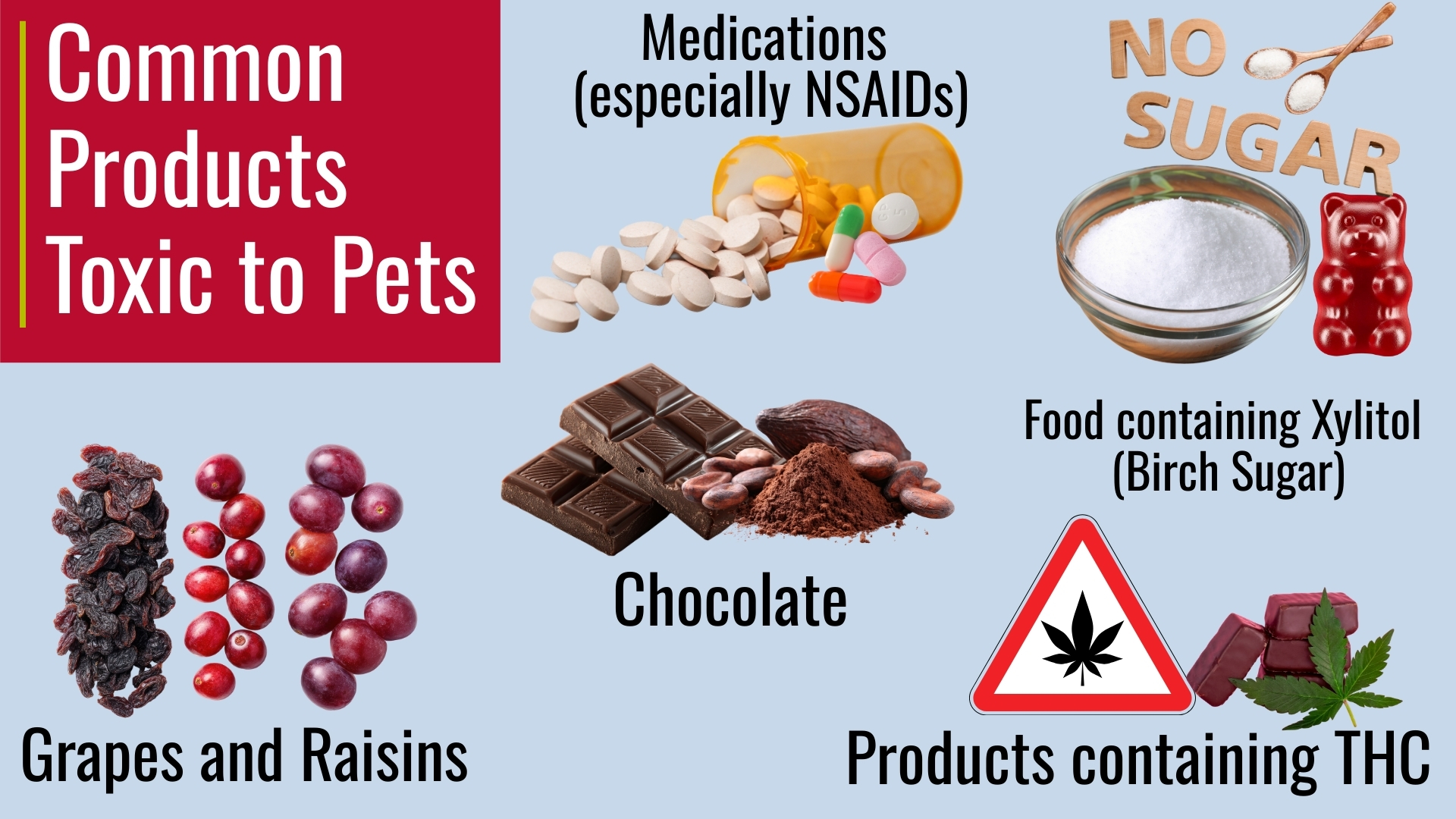
Chocolate contains theobromine and caffeine, two stimulants that pets cannot metabolize effectively. The danger depends on the type and amount eaten; dry cocoa powder and baking chocolate are the most dangerous, while milk chocolate is less concentrated but still potentially harmful. Signs of chocolate toxicity may include vomiting, diarrhea, restlessness, tremors, abnormal heart rhythms, and seizures.
Xylitol (Birch Sugar)
Xylitol is an artificial sweetener found in many sugar-free candies, gums, baked goods, peanut butters, ice cream, toothpaste, and other products. In dogs, xylitol is rapidly absorbed into the bloodstream and can cause a dangerous drop in blood sugar (hypoglycemia) and, in some cases, severe liver damage. Always check labels to see if xylitol (also known as birch sugar) is listed as an ingredient.
Grapes and Raisins
Grapes and raisins contain tartaric acid, which can cause acute kidney failure in dogs. Unfortunately, the exact toxic dose is unknown. Even a small amount, sometimes as little as a single grape or raisin, can be harmful to some pets. Because of this unpredictability, any exposure requires immediate veterinary attention.
THC (Marijuana Products)
Tetrahydrocannabinol (THC) is the psychoactive component of marijuana and is found in edibles, oils, dried plant material, and other products. As medical and recreational marijuana become easier to access, accidental pet exposure is on the rise. While THC ingestion is usually not life-threatening, it can lead to uncomfortable symptoms such as lethargy, poor coordination (ataxia), urinary incontinence, sensitivity to touch (hyperesthesia), and changes in heart rate. Pets that seem distressed or disoriented should be evaluated by a veterinarian.
NSAIDs and Acetaminophen
Medications like ibuprofen, naproxen, and acetaminophen, found in products such as Advil, Aleve, and Tylenol, are extremely dangerous for pets. These drugs disrupt prostaglandins, compounds that protect the stomach, kidneys, and normal blood flow. Ingestion can cause stomach ulcers, kidney failure, liver damage, and even death. Pets should never be given human medications unless explicitly prescribed by a veterinarian.
What to Do If Your Pet Eats Something Toxic
If you suspect your pet has ingested a toxic substance, seeking prompt veterinary care is crucial. A veterinarian can evaluate your pet’s condition and recommend the best treatment options. In some cases, advanced treatments may be available to help reduce toxin levels and support recovery.
Advanced Treatment for Pet Poisoning: Hemoperfusion
At the UGA Veterinary Teaching Hospital in Athens, Georgia, we are excited to introduce a new treatment option, hemoperfusion, through our Small Animal Emergency & Critical Care Service. Dr. Kat Davros, DACVECC, a UGA Clinical Assistant Professor in Emergency & Critical Care, helps explain the process.
“Hemoperfusion is a treatment used for patients who have been exposed to toxins or taken too much of a medication. During the procedure, blood is gently drawn through a catheter and passed through a special activated carbon filter that removes toxins. The cleaned blood is then returned to the patient. This process helps clear toxins from the body more quickly, which can shorten treatment time and improve patient safety.”
Dr. Davros adds, “Hemoperfusion can help treat toxicities from a wide range of materials like NSAIDs, rat poisons, chemotherapy, or other medication overdoses, and we’re discovering more toxicities it can treat every day.”
If you’re concerned your pet may have ingested or been exposed to a toxic substance, contact our 24/7 Emergency & Critical Care Service as soon as possible to ensure your pet receives timely, appropriate care.


